



Eating for a Better Planet
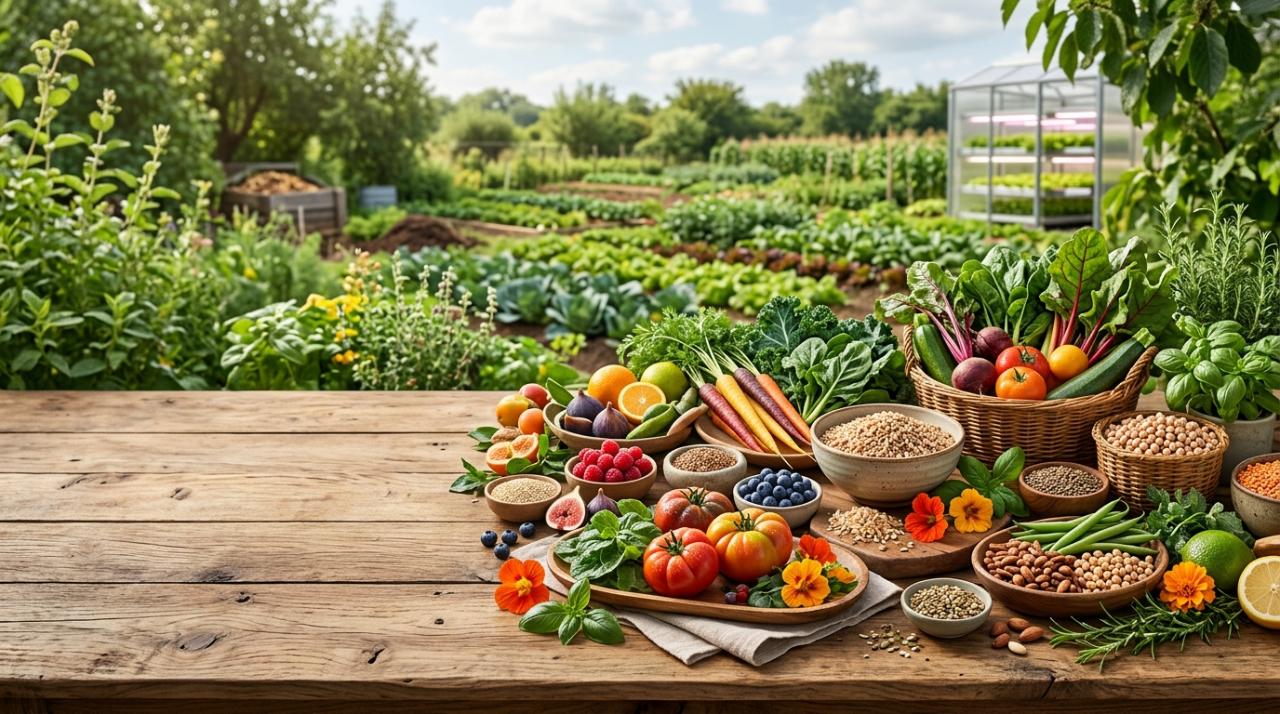
The way we eat is about to get a serious makeover. For ages, food has been a central part of our lives, bringing us together, fueling our bodies, and delighting our senses. But let's face it, the way we've been producing and consuming food has come at a cost to our planet. Climate change, dwindling resources, and concerns about our health are all pushing us to think differently about our plates. The good news? The future of food is looking incredibly exciting, and it's all about sustainability! Get ready to explore some of the coolest trends shaping how we'll be eating for years to come.
From the Lab to Your Fork Innovations in Sustainable Food
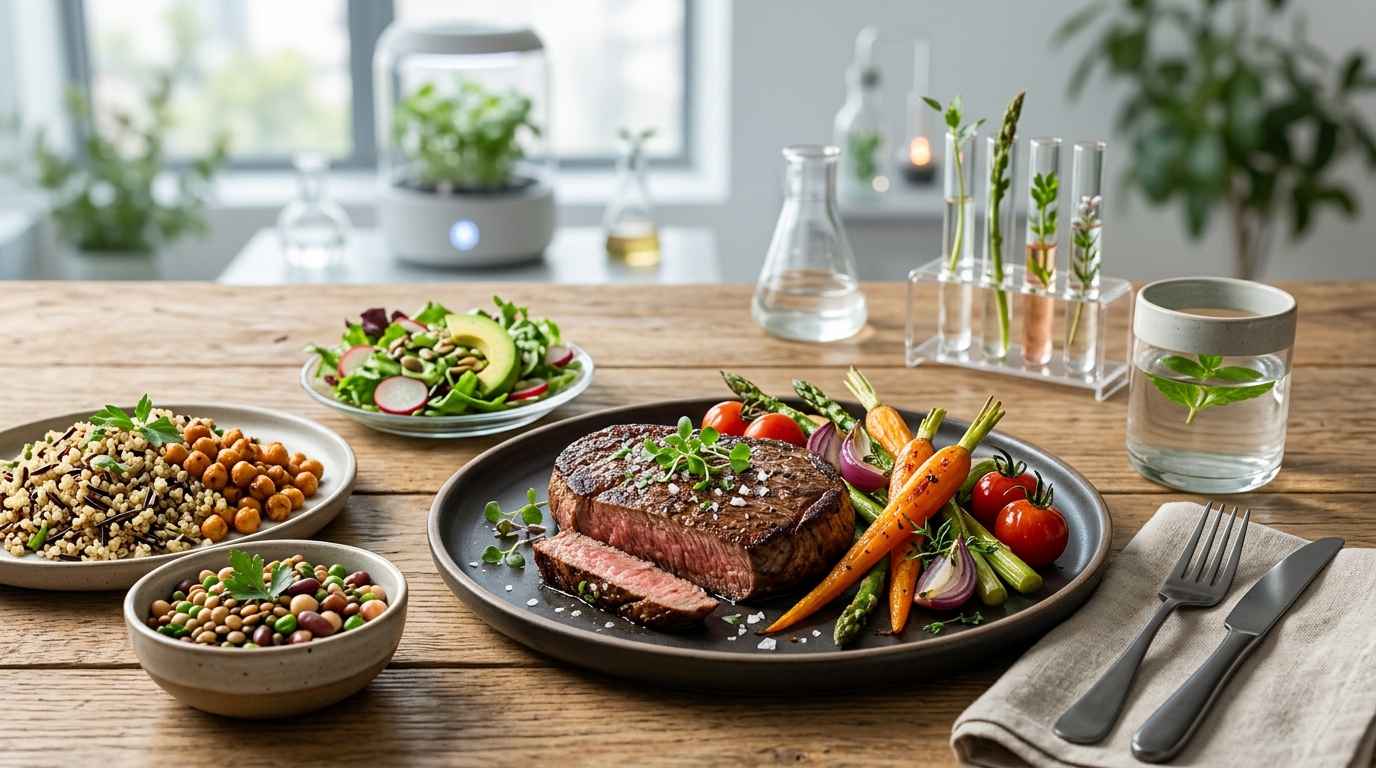
Forget everything you thought you knew about where food comes from. We're entering an era where technology is revolutionizing food production. Imagine 'lab grown' or 'cultivated' meat, created by growing animal cells without raising and slaughtering animals. This drastically reduces land and water use and greenhouse gas emissions. It sounds futuristic, but it's rapidly becoming a reality, offering a way to enjoy familiar tastes with a significantly smaller environmental footprint.
Another game changer is vertical farming. Picture farms stacked high, often in urban areas, using hydroponics or aeroponics to grow produce year-round with minimal water and no pesticides. This means fresher, more nutritious food reaching your table faster, cutting down on transportation emissions and making healthy eating more accessible, even in cities.
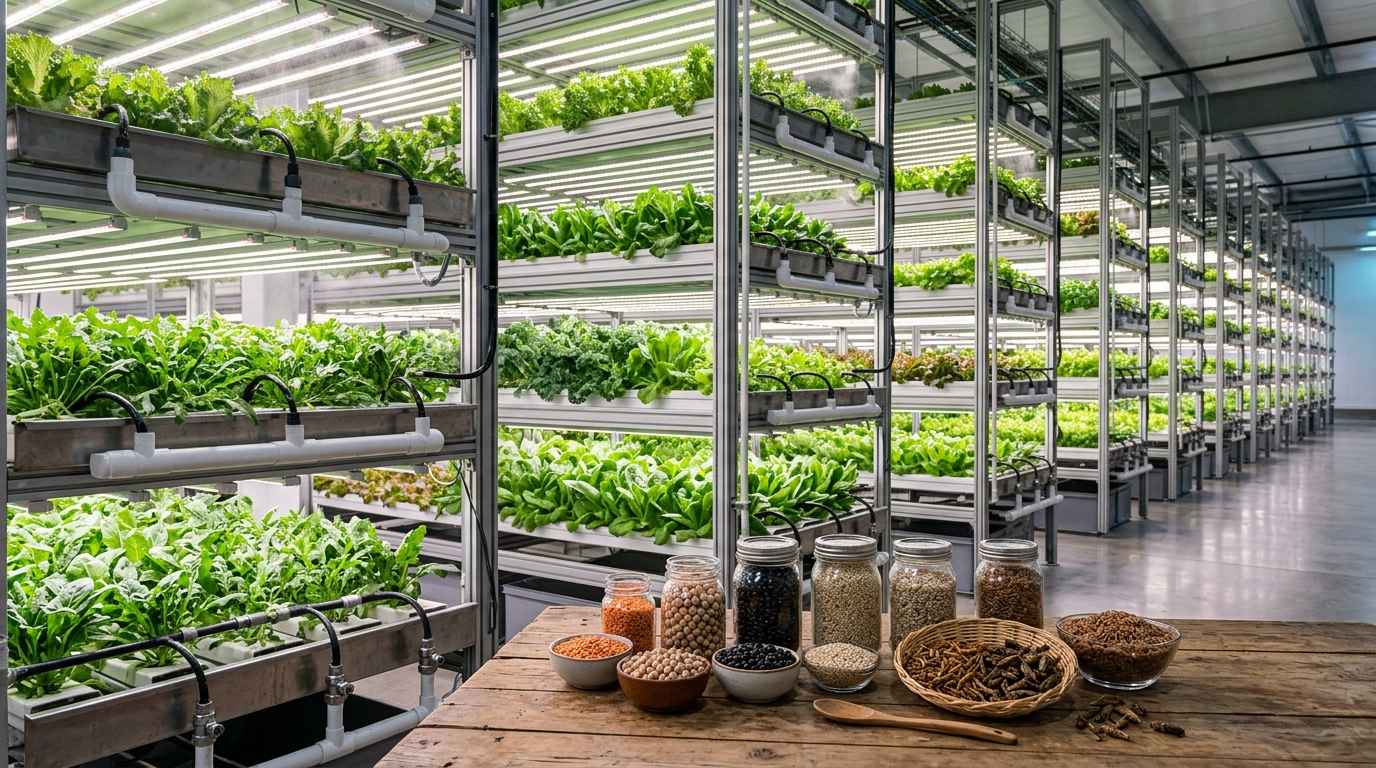
And let's not forget about alternative proteins. Insects are already a staple food for billions worldwide, and they're gaining traction in the West. Crickets, mealworms, and other insects are incredibly nutritious, require very little resources to farm, and can be transformed into everything from protein bars to flour. It might take some getting used to, but insect protein is a powerful tool in building an eco-friendly food system.
Rethinking Our Plates The Rise of Plant-Based and Regenerative Agriculture
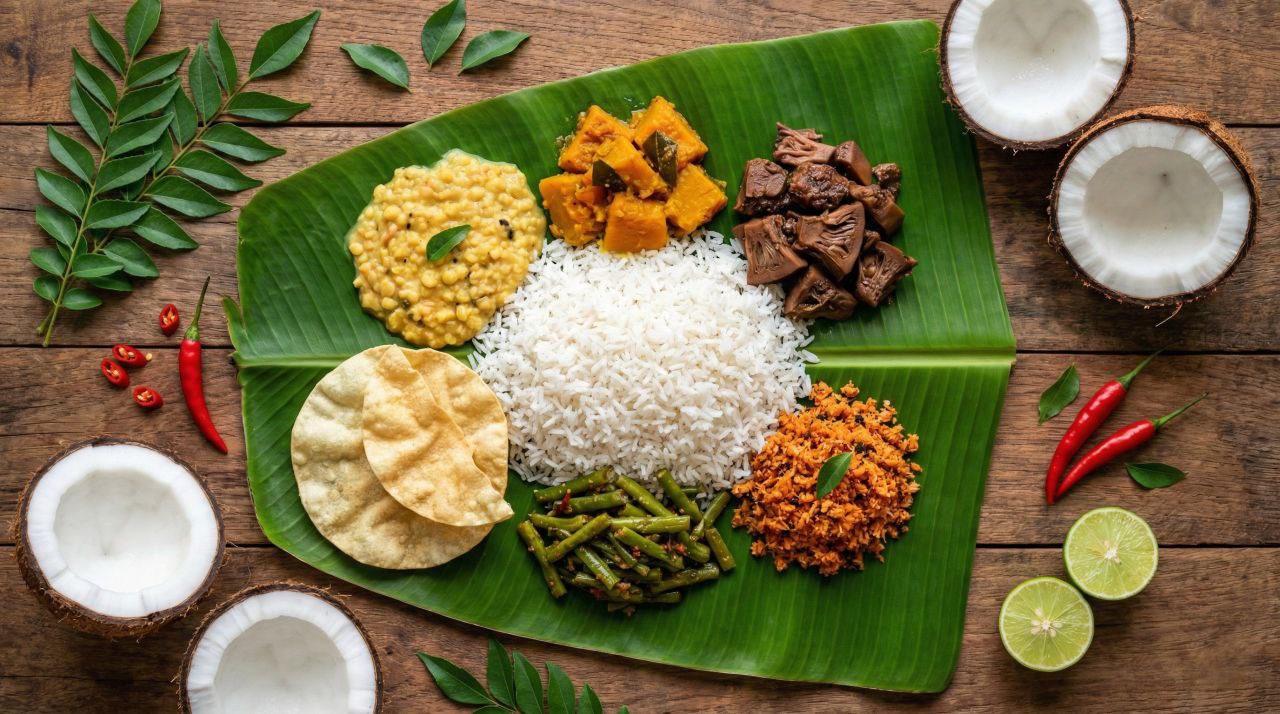
Beyond new technologies, there's a powerful movement towards embracing what nature already provides. Plant-based diets are booming, and for good reason. Reducing our reliance on animal products lessens the demand for intensive livestock farming, which is a major contributor to deforestation and climate change. Whether you're going fully vegan or simply incorporating more plant-rich meals, choosing plants is a delicious way to eat sustainably.
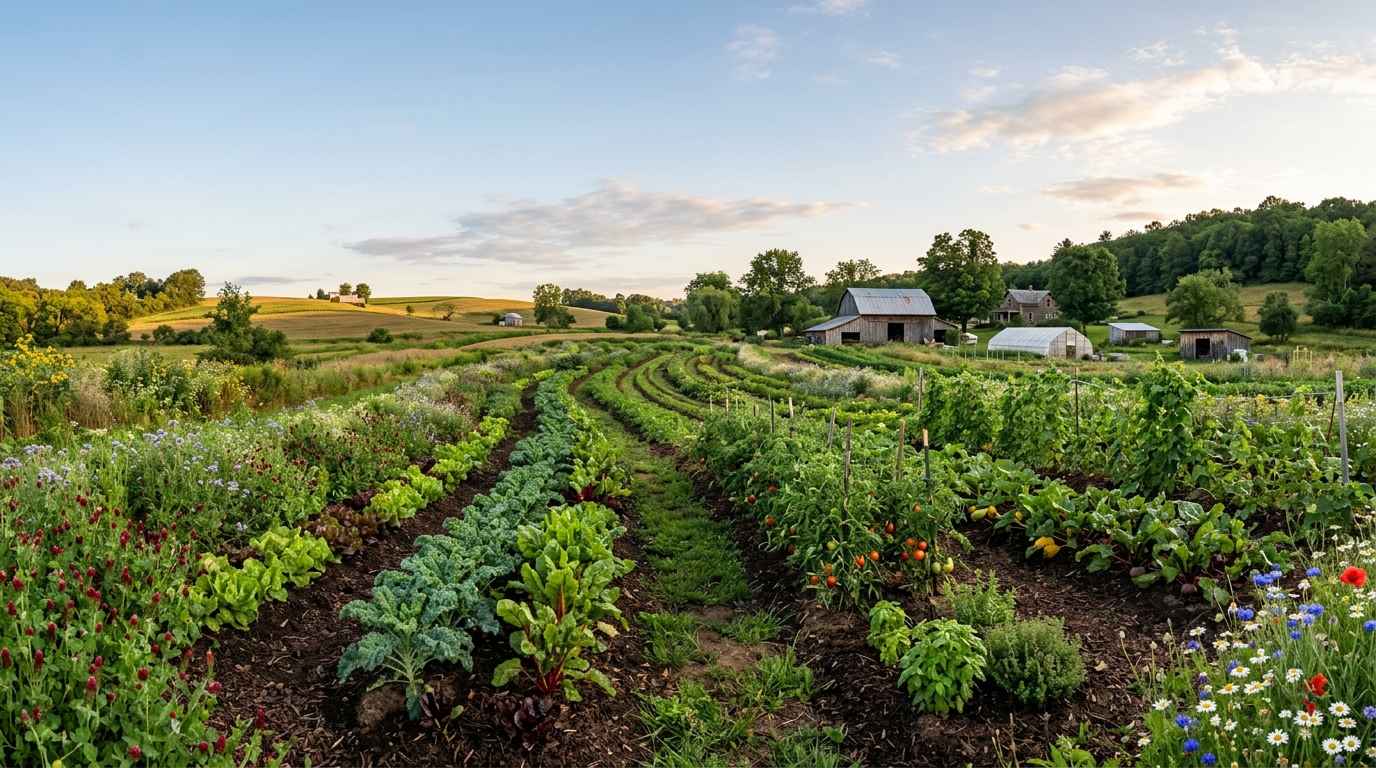
Hand in hand with this is the growing interest in regenerative agriculture. This isn't just about being 'sustainable'; it's about actively improving the environment. Regenerative farming practices focus on rebuilding soil health, increasing biodiversity, and capturing carbon from the atmosphere. Think cover cropping, no-till farming, and integrating livestock back onto the land in a holistic way. Farms practicing regenerative agriculture are not just producing food; they are healing the planet, one field at a time.
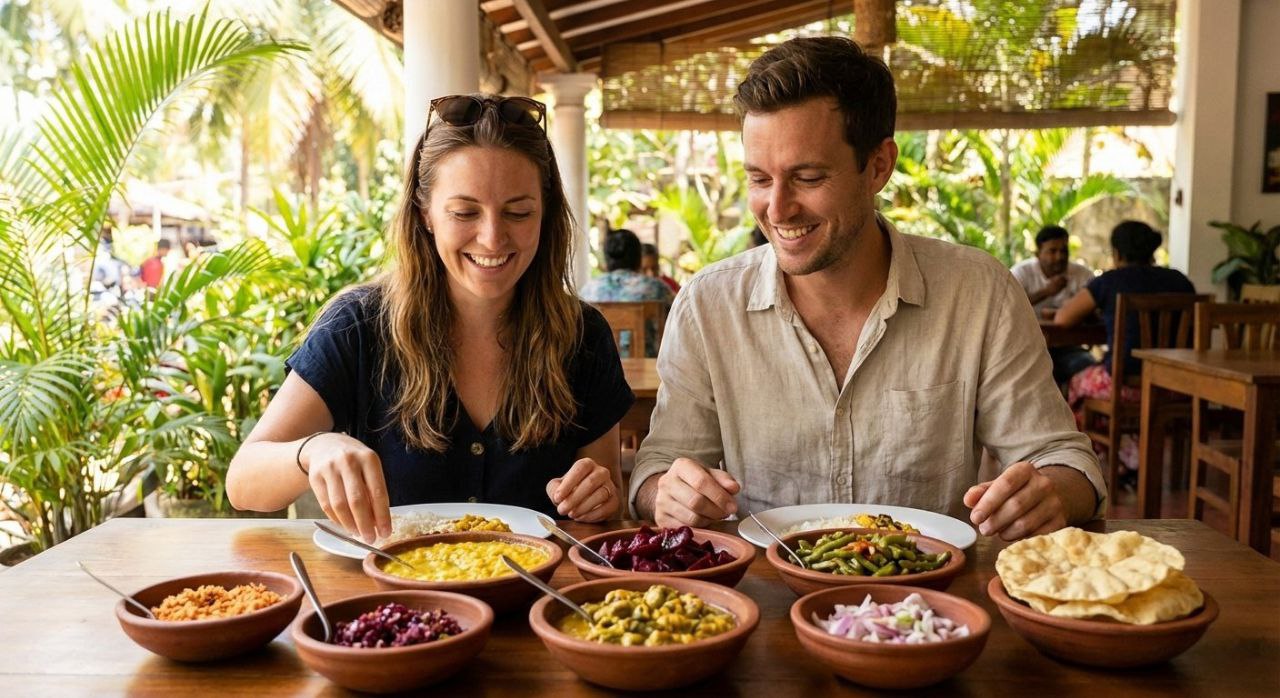
We're also seeing a renewed appreciation for local and seasonal eating. Supporting local farmers means reducing 'food miles' the distance food travels from farm to plate. It also helps preserve local agricultural heritage and ensures that the food you eat is fresh and in season, often tasting much better because of it.
Closing the Loop Tackling Food Waste and Embracing the Circular Economy
One of the biggest challenges in our current food system is the sheer amount of waste. Globally, a huge percentage of food produced ends up in landfills. The future of sustainable food is all about tackling this head-on. Innovations in packaging, better inventory management by retailers, and smart consumer habits are all playing a part.
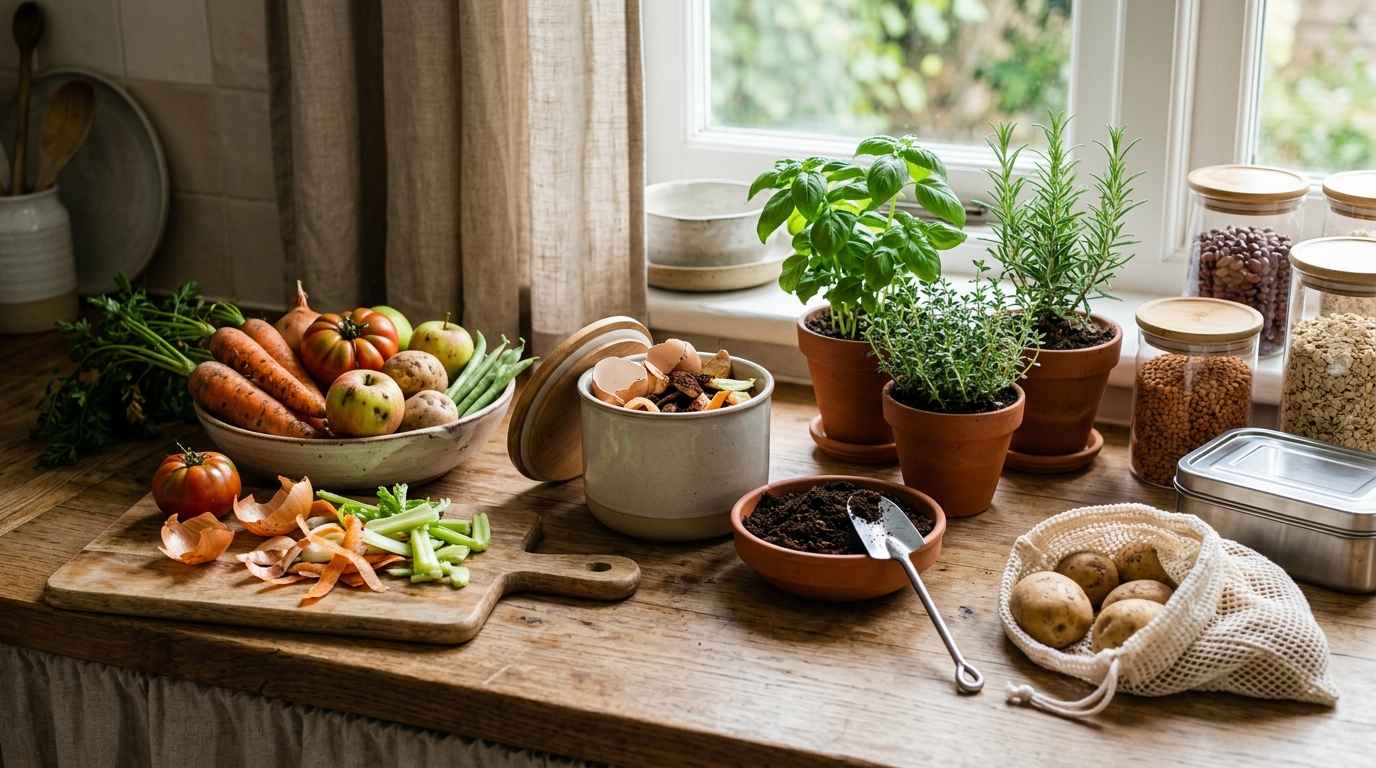
We're also seeing a rise in 'ugly produce' initiatives that sell fruits and vegetables that might be oddly shaped or slightly bruised but are perfectly good to eat. This diverts perfectly edible food from waste streams and makes healthy options more affordable.
Furthermore, the concept of a circular economy is becoming vital. This means designing systems where waste is minimized and resources are reused. Think composting food scraps to create nutrient-rich soil, or using food byproducts to create new ingredients or even energy. It’s about looking at every part of the food journey as an opportunity for renewal, not just disposal.
A Deliciously Sustainable Future Awaits
The future of food is not about deprivation; it's about innovation, conscious choices, and rediscovering the incredible diversity and deliciousness that our planet offers. From cutting-edge technology to time-tested agricultural wisdom, we have more tools than ever to create an eco-friendly food system. By embracing these sustainable food trends, we can nourish ourselves and protect the planet for generations to come. So, let's get ready to savor a future that's not only delicious but also deeply sustainable.
Most Popular








Anaya
comment1