



The Universal Language of Food
Think about your fondest childhood memories. Chances are, food plays a starring role. That comforting aroma of your grandmother's baking, the laughter shared around a dinner table overflowing with dishes passed down through generations, the excitement of learning a new recipe from a parent – these are the moments that weave the fabric of our family histories. Food is more than just sustenance; it's a powerful connector, a way to bridge the gaps between different generations, fostering understanding, love, and shared experiences.
Recipes as Legacies
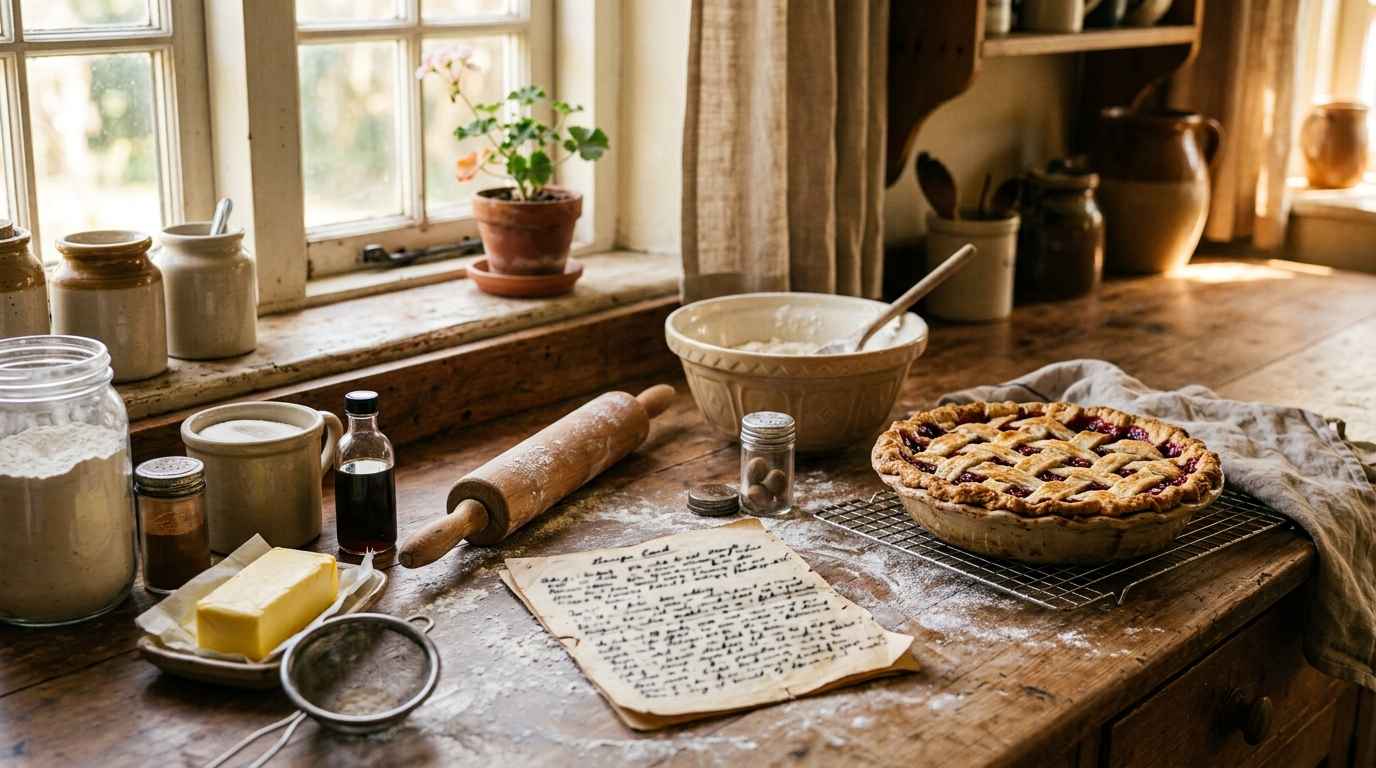
In many families, recipes are more than just instructions for making a dish. They are living documents, carrying within them the stories, traditions, and culinary heritage of our ancestors. That slightly smudged, handwritten card for Aunt Carol's famous lasagna isn't just about tomatoes and cheese; it's about the countless Sundays she spent making it for her family, the laughter and conversations that filled her kitchen. When we recreate these dishes, we're not just cooking; we're participating in a ritual, honoring the past, and keeping those memories alive. For younger generations, learning these traditional recipes offers a tangible link to their heritage, allowing them to taste and understand the experiences of those who came before them. It's a delicious way to learn about where they come from.
Passing Down the Skills and the Stories
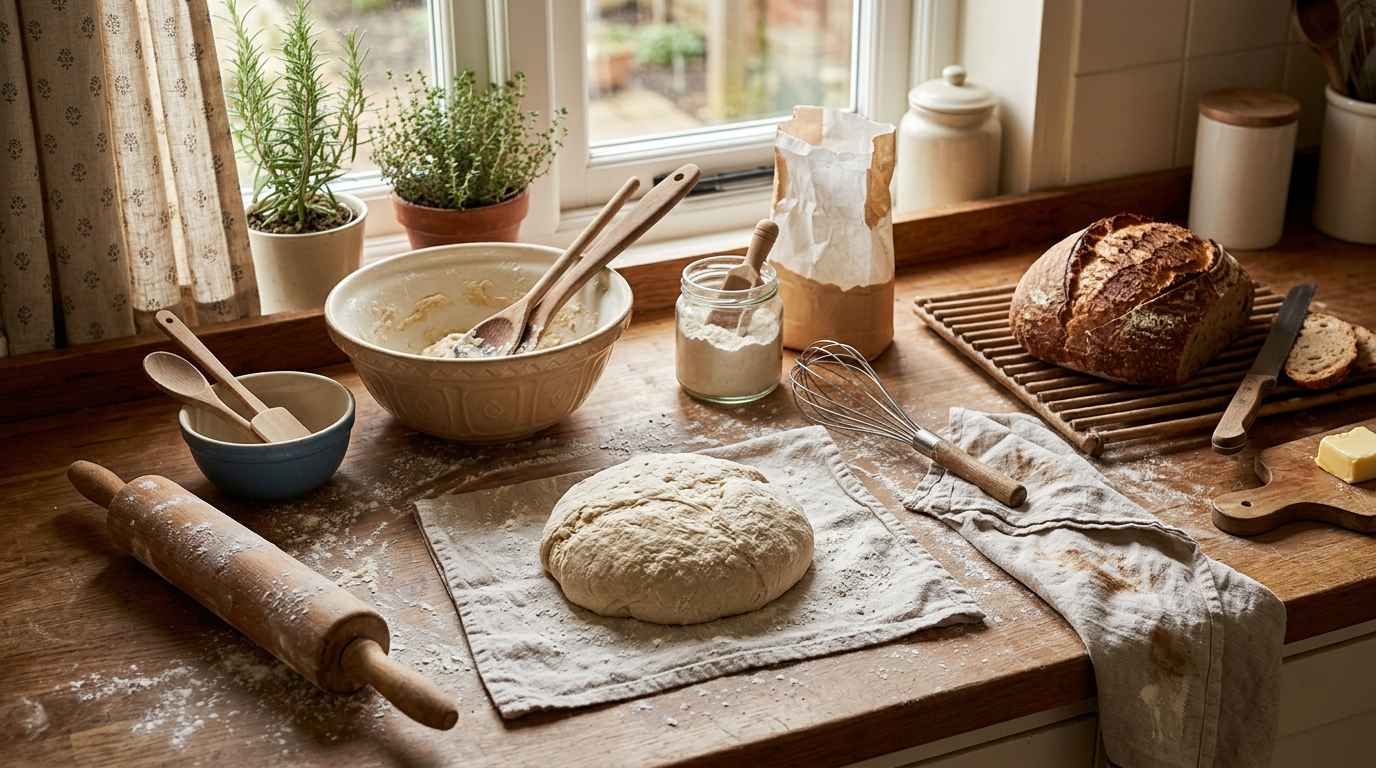
The act of cooking together is inherently intergenerational. Imagine a teenager learning to knead dough alongside their grandfather, the older generation sharing tips and techniques honed over decades. It's a patient process, filled with opportunities for connection. As they measure, mix, and stir, conversations naturally flow. Grandparents can share anecdotes about their own childhoods, about the significance of certain dishes, or even about funny kitchen mishaps. These shared moments in the kitchen build bonds that extend far beyond the meal itself. It's not just about the finished product, but the journey of creating it together. This hands-on learning fosters a deeper appreciation for the effort and love that goes into preparing a meal.
Food as a Catalyst for Conversation and Understanding
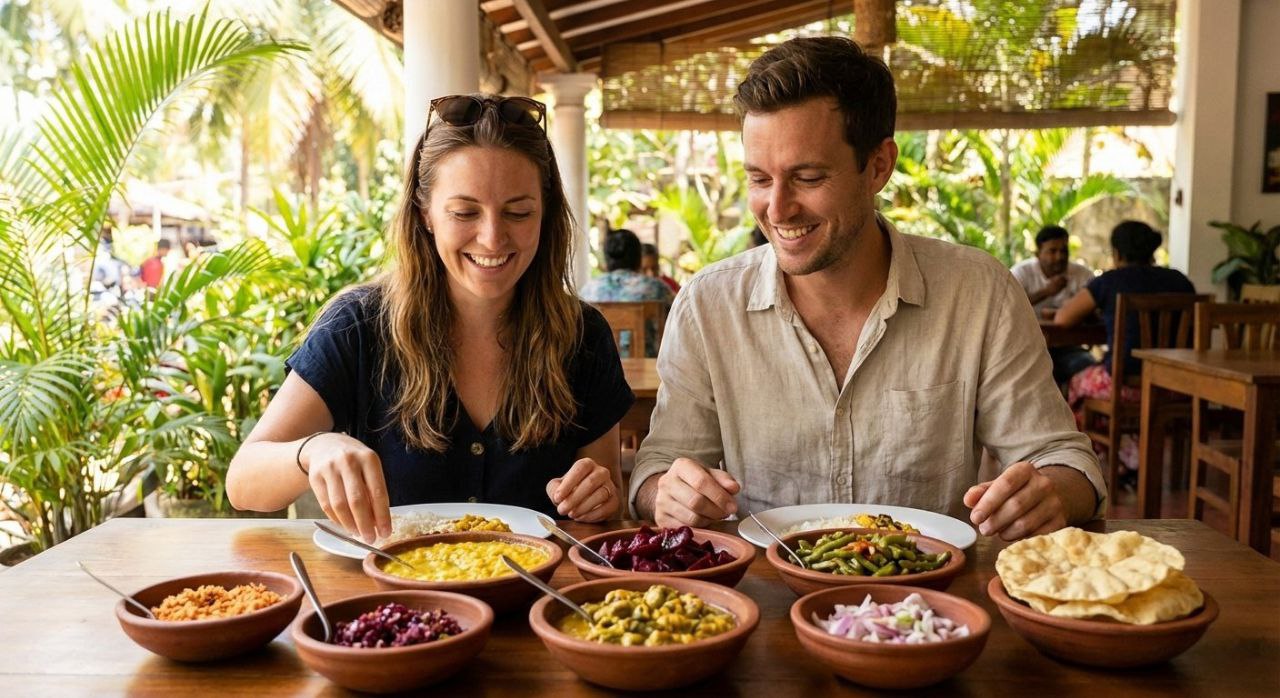
Sometimes, the differences between generations can feel vast. Different viewpoints, different life experiences, and different communication styles can create distance. Food, however, offers a neutral and enjoyable ground for everyone to come together. Sharing a meal allows for relaxed conversation, where stories can be exchanged, and perspectives can be understood without judgment. For example, discussing the evolution of a particular dish – how ingredients have changed, or how preparation methods have adapted – can spark fascinating conversations about broader societal shifts. It can also be a gateway to understanding different cultural influences that have shaped family traditions over time. It’s a delicious way to learn about each other.
Bridging the Digital Divide
While technology often creates divides, it can also be a tool for intergenerational connection through food. Grandparents might share old family recipe books digitally, or younger family members can create video tutorials for traditional dishes, preserving them for future use. Online cooking classes or virtual family potlucks can bring people together, regardless of geographical distance. These modern approaches to sharing culinary traditions can be a bridge, making heritage accessible and engaging for all ages. It’s about adapting to new ways of connecting while staying true to the heart of family traditions.
Creating New Traditions, Honoring the Old
The beauty of food connecting generations is that it works in both directions. While passing down established traditions is vital, creating new ones is equally important. Families can incorporate beloved dishes from different cultural backgrounds, or invent new twists on old favorites. These new traditions, built on the foundation of shared culinary experiences, become the future heirlooms. Whether it's a special holiday meal, a regular family Sunday dinner, or a spontaneous baking session, the intention to connect and share is what truly matters. The aromas, the flavors, and the company create a tapestry of memories that will be cherished for years to come.
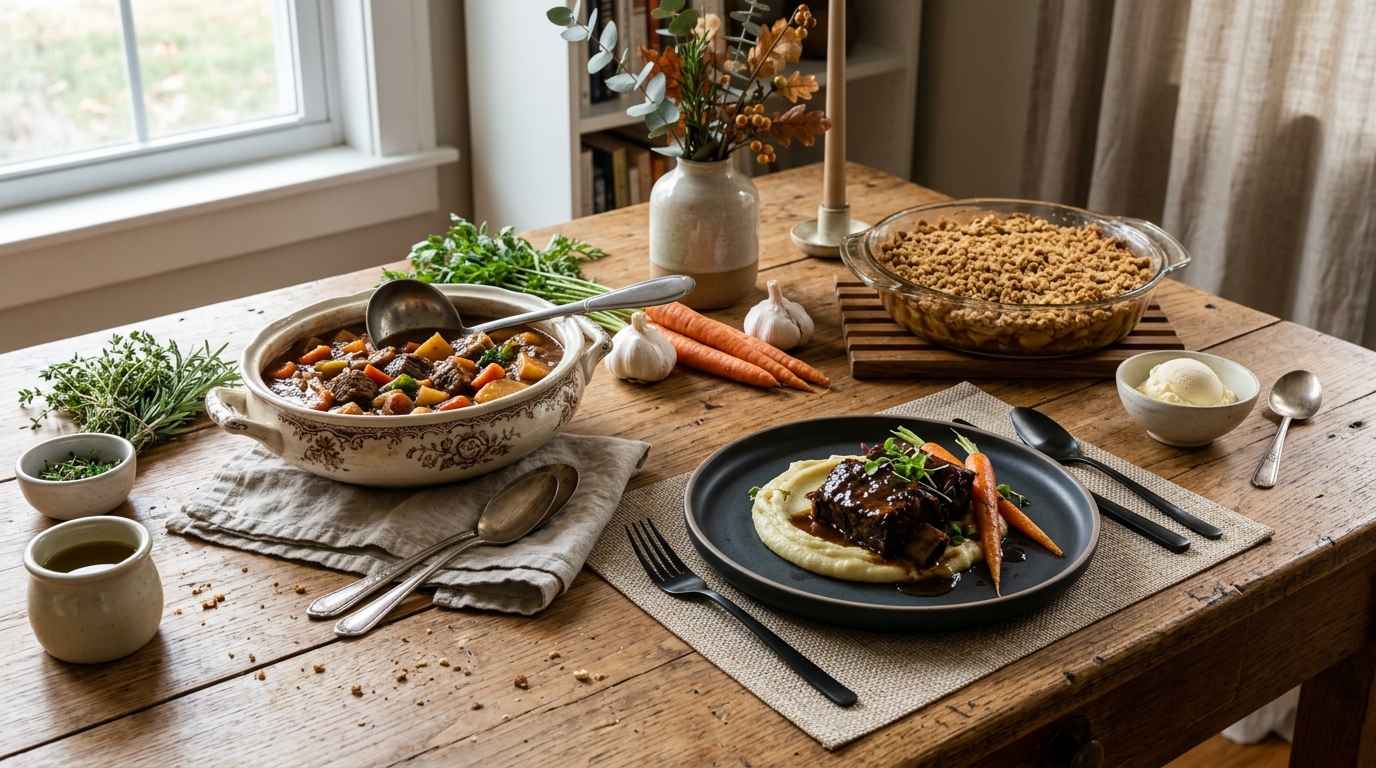
A Taste of Togetherness
Food is a universal language that speaks to our hearts and our histories. By sharing meals, swapping recipes, and cooking together, we build stronger bonds, foster understanding, and create lasting memories across the generations. These culinary connections are a reminder that no matter our age or experiences, we can always find common ground at the table. So, the next time you’re looking for a way to connect with your loved ones, consider sharing a meal. It might just be the most meaningful conversation you have all week.
Most Popular







Anaya
comment1