



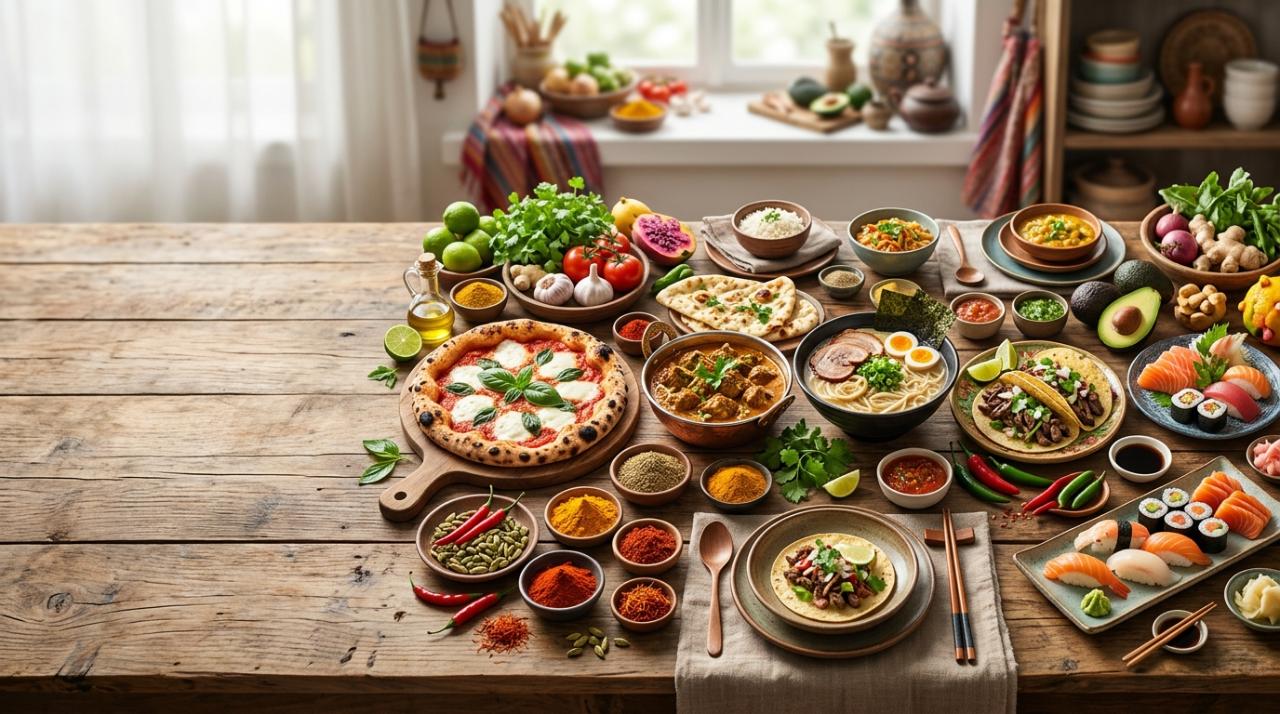
Ever Wondered Why Sushi is Everywhere or How Tacos Took Over the World?
It’s a fascinating phenomenon, isn’t it? One minute a dish is a local specialty, and the next, it’s a global sensation found on menus from Paris to Perth. Think about it: pizza, pasta, curry, burgers, even bubble tea! What’s the magic ingredient that turns a regional delight into an international superstar? It’s not just about taste, although that’s a huge part of it. There’s a complex recipe behind every food trend that goes viral, and we’re about to spill the beans (or perhaps the chili sauce).
The Delicious Fusion of Culture and Commerce

At its core, food globalization is a story of human connection. When people travel, they bring their tastes with them. Migrant communities introduce their traditional cuisines to new lands, and the curious palate of a new culture embraces it. This has been happening for centuries, from the spice trade routes to the Silk Road. But in the modern era, technology and mass media have supercharged this process. Social media platforms, in particular, are incredibly powerful. A single viral TikTok of someone enjoying a perfectly crafted ramen bowl can spark a global craving.
Accessibility is Key: For a food to become a global hit, it needs to be relatively easy to produce and source ingredients for in various parts of the world. Dishes that rely on hyper specific, hard to find ingredients or complex preparation methods tend to stay niche. Think about the humble potato. It can be grown almost anywhere and transformed into countless dishes, from fries to mashed potatoes to gratins. This adaptability makes it a global staple.

The Power of the Palate: Certain flavor profiles just resonate with a wide range of people. The balance of sweet, sour, salty, and savory, often found in cuisines like Thai or Vietnamese, appeals to a broad audience. Umami, that deeply satisfying savory taste, is another powerful draw. And let's not forget comfort food! Dishes that evoke feelings of warmth, nostalgia, and home are universally loved, whether it's a hearty stew or a cheesy pasta bake.
Adaptability and Innovation: While authenticity is important, the ability for a food to adapt to local tastes is crucial for widespread adoption. Mexican food, for example, has seen incredible innovation worldwide, with everything from Korean-Mexican fusion tacos to vegan burritos. This willingness to experiment and blend cuisines allows a dish to remain relevant and exciting for diverse populations.
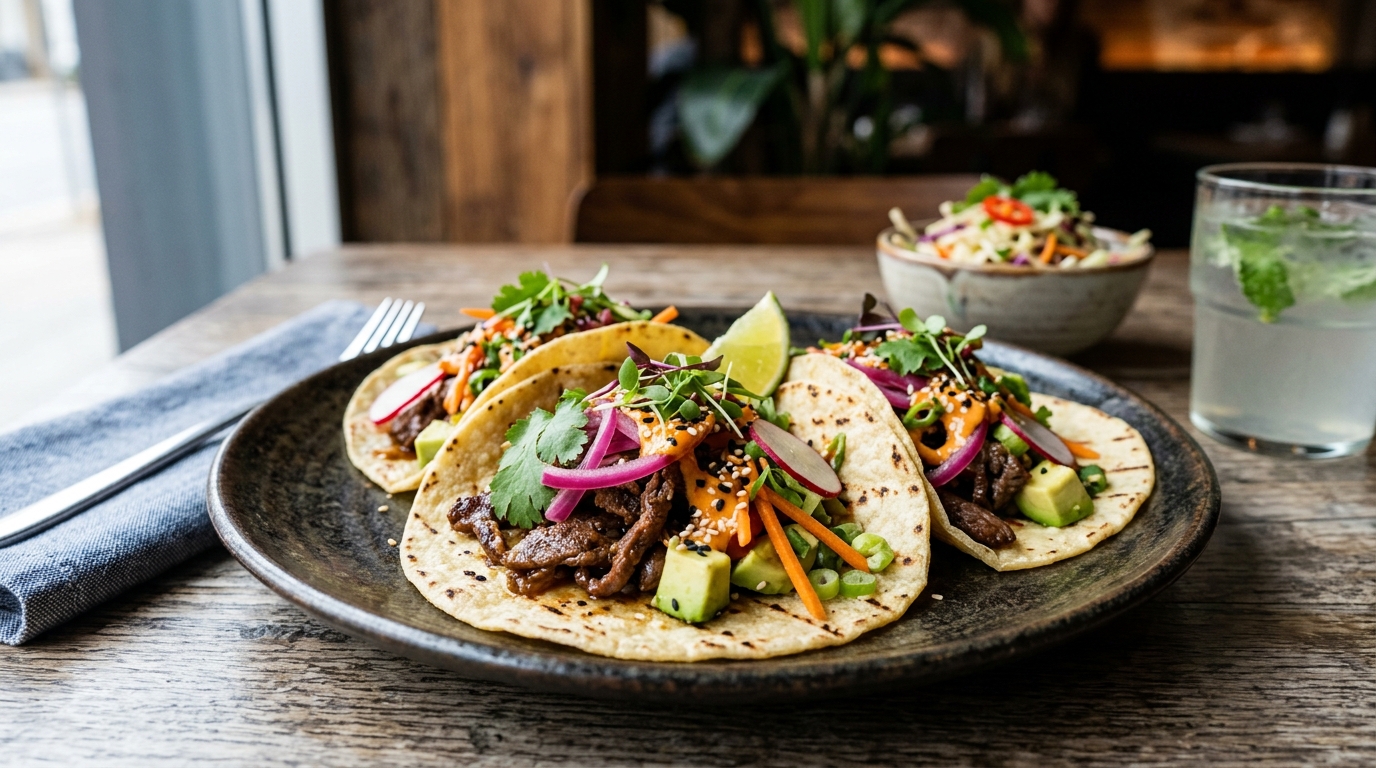
The 'Instagrammable' Factor: In today's visually driven world, food that looks good is often food that sells. Bright colors, interesting textures, and unique presentations make dishes perfect for sharing online. A beautifully plated sushi roll or a vibrant smoothie bowl is not just a meal; it's a visual experience that can go viral.
From Local Delights to Global Dinner Plates
The journey of a food from a local treasure to a global phenomenon is a complex interplay of cultural exchange, economic factors, technological advancements, and the universal human desire for delicious experiences. It’s a testament to how food can bridge divides, connect us to different cultures, and create shared moments of enjoyment across the globe. So next time you're enjoying a plate of pad thai or a slice of pizza, take a moment to appreciate the incredible journey that delicious dish has taken to reach your table.
Most Popular








Anaya
comment1