




Taste, that elusive sensation, is more than just a simple input from our taste buds. It is a complex interplay of our senses, our memories, and even our environment. For centuries, chefs and food enthusiasts have sought to understand and harness the power of great taste. But what truly lies at the heart of a delicious dish? This exploration delves into the multifaceted secret behind exceptional flavor, moving beyond mere ingredients to uncover the science and art that elevate good food to unforgettable experiences.
The Sensory Symphony of Flavor
Our perception of taste is not confined to the five basic tastes: sweet, sour, salty, bitter, and umami. It's a sophisticated sensory experience where aroma plays a paramount role. In fact, a significant portion of what we perceive as taste is actually smell. The volatile compounds released from food travel up to the olfactory receptors in our nasal cavity, creating a rich tapestry of flavor. Think about the difference between smelling a freshly baked loaf of bread and tasting it; the aroma primes our palate and enhances the overall experience.
Beyond taste and smell, texture and mouthfeel contribute significantly. The crunch of a perfectly fried potato, the creaminess of a rich sauce, or the slight chew of well prepared pasta all add layers to our enjoyment. Visual appeal is also crucial. A vibrant, artfully plated dish can stimulate our appetite and expectations even before the first bite. Sound, too, can play a role, like the satisfying sizzle of a steak or the crisp snap of fresh vegetables.
The Chemistry of Deliciousness
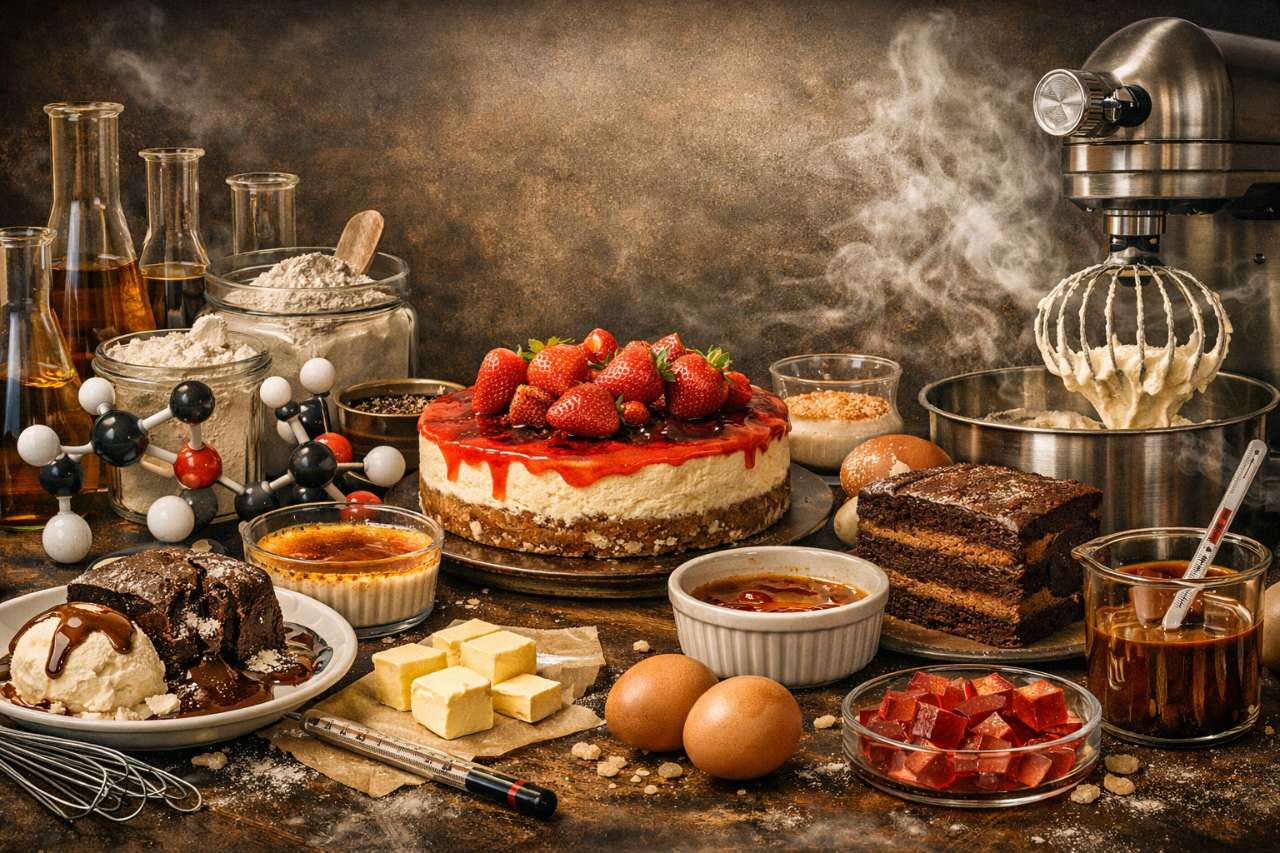
At a molecular level, taste is a chemical reaction. When food interacts with our taste receptors, it triggers signals that are sent to the brain. For example, the sweetness we experience comes from compounds like sugars binding to specific receptors. Umami, often described as a savory or meaty taste, is triggered by glutamate, an amino acid found in foods like mushrooms, aged cheeses, and meats. The Maillard reaction, a complex chemical process that occurs when proteins and sugars are heated, is responsible for the browning and rich, complex flavors of roasted meats, baked goods, and coffee.
Understanding these chemical interactions allows chefs to strategically combine ingredients. The balance of acids and fats, the use of certain herbs and spices to enhance specific notes, and the careful application of heat are all part of the science of flavor creation. For instance, a squeeze of lemon can cut through the richness of a fatty dish, brightening its overall taste profile. Similarly, the strategic use of salt not only enhances existing flavors but can also suppress bitterness, making food more palatable.
The Psychology of Palate Pleasers
Our personal experiences and cultural backgrounds profoundly influence our perception of taste. A dish that evokes childhood memories or represents a familiar cultural cuisine can be inherently more appealing. This is why comfort foods often hold such a special place in our hearts. Nostalgia and familiarity create an emotional connection that enhances the sensory pleasure of eating.
Expectation also plays a significant part. If a dish is presented beautifully and described enticingly, our anticipation can heighten our perception of its taste. Conversely, if we have a negative preconceived notion about a certain food, it can be harder for us to appreciate its true flavors. This psychological aspect highlights how our minds actively participate in the creation of taste.
The secret behind great taste is not a single ingredient or a hidden technique, but rather a holistic approach that harmonizes sensory, chemical, and psychological elements. It is about understanding how our bodies and minds interact with food, from the molecular reactions on our tongue to the memories and emotions that a particular flavor can evoke. By appreciating the intricate dance between aroma, texture, visual appeal, and the underlying chemistry, we can unlock a deeper understanding and enjoyment of the culinary arts. Great taste is, therefore, a symphony orchestrated by nature and refined by human ingenuity.
Most Popular












Anaya
comment1