



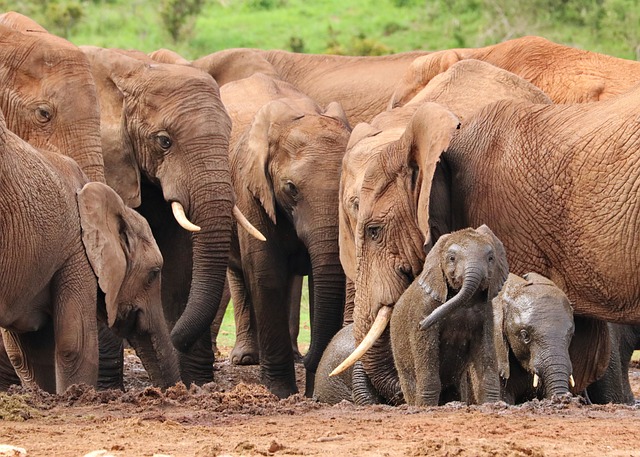
The Gentle Giants of Asia Face Modern Threats
The Asian elephant, a magnificent creature steeped in cultural significance and ecological importance, is facing unprecedented challenges. Habitat loss, human elephant conflict, and poaching have pushed these intelligent beings to the brink of endangerment. Fortunately, a new era of conservation is dawning, powered by cutting-edge Artificial Intelligence (AI) and innovative technology. These smart safaris are transforming how we protect the Asian elephant, offering a beacon of hope for their future.
Udawalawe National Park A Pioneer in Tech Driven Conservation
One of the most compelling examples of this technological revolution is unfolding in Sri Lanka's Udawalawe National Park. This park, renowned for its significant elephant population, has become a testing ground for advanced conservation strategies aimed at reducing the devastating human elephant conflict. This conflict arises when elephants, driven by hunger or seeking new territories, raid farms and villages, leading to crop damage, property destruction, and tragically, both human and elephant casualties.
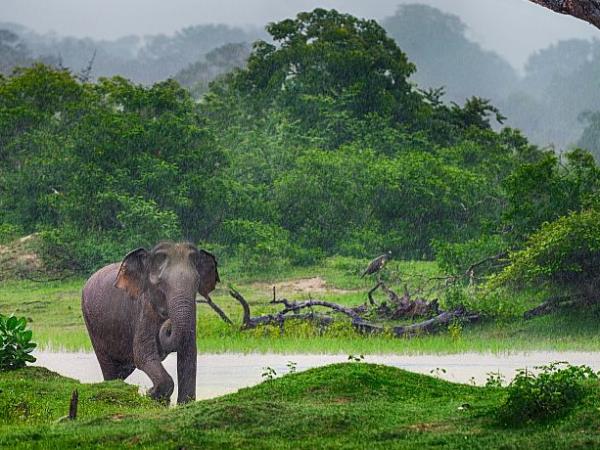
Tracking the Giants: The Power of GPS Collars
At the heart of these efforts are sophisticated GPS tracking collars fitted onto a number of elephants. These collars are far more than simple location devices. Equipped with accelerometers and other sensors, they provide a wealth of data on elephant movement patterns, behavior, and even their social interactions. This information is invaluable to conservationists, allowing them to understand where elephants are most likely to venture outside the park's boundaries and into human settlements.
Geofencing Early Warnings for averting Conflict
This granular understanding of elephant movements enables the implementation of a critical technology: geofencing. By defining virtual boundaries around sensitive agricultural areas or human habitations, conservationists can create 'geofences'. When an elephant wearing a tracking collar approaches or crosses one of these virtual perimeters, an alert is automatically triggered. These alerts can be sent in real time to park rangers, local authorities, and even community members. This early warning system provides a crucial window of opportunity to implement preventative measures.
The Human Element in Smart Conservation
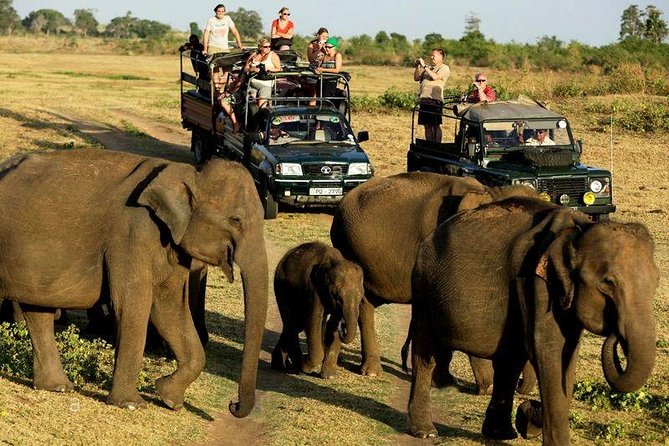
While technology plays a pivotal role, it is essential to remember that smart safaris are not solely about machines. The success of these initiatives relies heavily on the human element. Once an alert is received, trained park rangers can be dispatched to gently guide the elephants back into the park, often using non-lethal methods like noise deterrents or controlled drives. Equally important is engaging with the local communities. Providing them with timely information and involving them in the conservation process fosters a sense of ownership and collaboration, turning potential adversaries into allies in the fight to protect these iconic animals.
AI Analyzing Patterns for Proactive Protection
Beyond real-time alerts, the vast amounts of data collected from GPS collars are being analyzed using Artificial Intelligence. AI algorithms can identify subtle patterns and predict future elephant movements with remarkable accuracy. This predictive capability allows for more proactive conservation strategies, such as strategically reinforcing fences in areas elephants are likely to approach, or even understanding the environmental factors that might be driving them towards human areas. AI is essentially helping us to think like an elephant, anticipating their needs and movements before conflict arises.
The Future of Elephant Conservation is Here
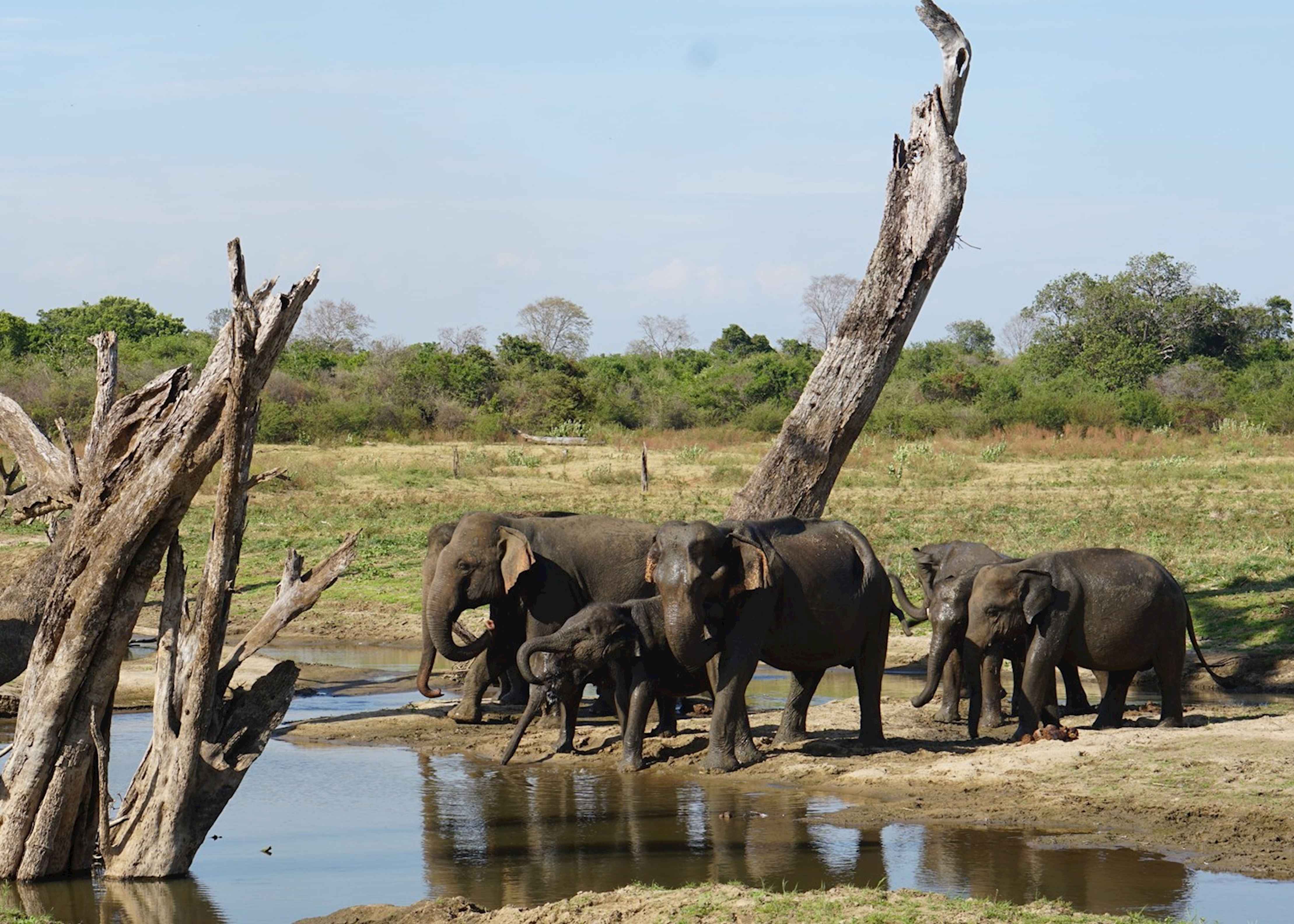
The integration of AI and advanced technology in conservation efforts like those in Udawalawe National Park represents a significant leap forward. It moves us from reactive responses to proactive protection. By understanding, predicting, and mitigating human elephant conflict through smart safaris, we are not only safeguarding the future of the Asian elephant but also fostering more harmonious coexistence between humans and wildlife. This technological evolution offers a glimmer of hope for the survival of these magnificent creatures, ensuring that future generations can still witness the majesty of the Asian elephant in its natural habitat.
Most Popular













Anaya
comment1